We know that patients are much happier in their own homes than in hospital, which is why we do all we can to help patients avoid being admitted or staying longer than they need to.
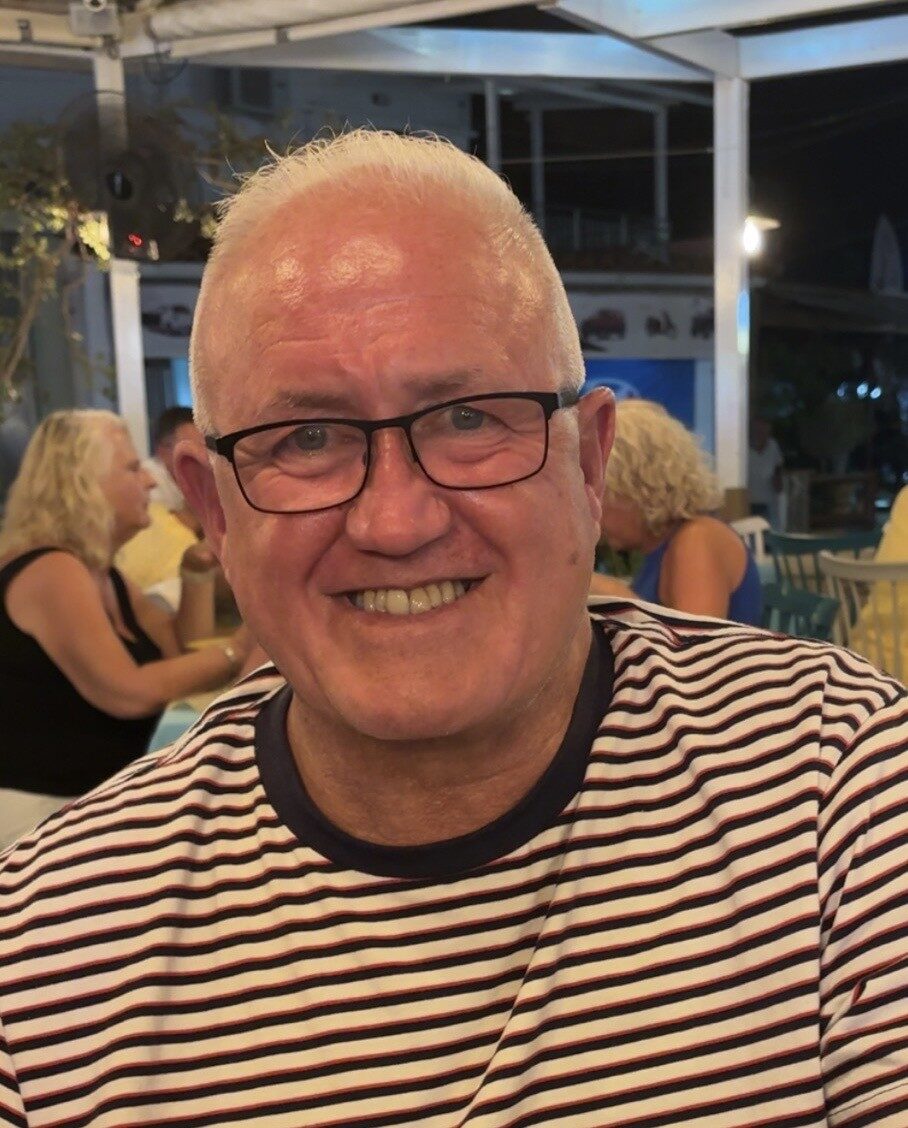
And for Winterton man Tommy Foster, 62, being not only able to have his IV antibiotics at home, but also learning how to administer them himself, has made a huge difference to his recovery.
He was prescribed antibiotics after coming into Scunthorpe General Hospital with a suspected infected haematoma in his leg and discovering he had fractured his tibia in two places. He also had to have the knee replacement he had had earlier that year removed in order to help his leg heal.
Tommy said: “I was kept on Ward 5 for two-and-a-half weeks, and I was having IV antibiotics three or four times a day.
“I still needed antibiotics when I was discharged home and, for the first week, I had nurses coming around to the house every day to administer them.
“I queried if I could do them myself and found out that the team were considering this too, so that’s what we did.
“One of the OPAT (Outpatient Parental Antibiotics Team) nurses came out to see me and showed me how to make the antibiotics up and administer them into my PICC (peripherally inserted central catheter) line and the first time I did it myself, one of the OPAT nurses watched me to make sure I did it right.”
Recommending that “most patients should at least try it,” Tommy added that he’d found being in greater control of his own medication had been liberating.
He said: “It was amazing. You’re not ruled by anyone else’s day – it’s your own day.
“I’d get up at 6.30am as normal and do it straight away, so it was all sorted by 7.30am and the rest of the day was mine. I didn’t need to worry about waiting in for the nurse to come.
“The OPAT team and Dr Singh from Ward 5 have really looked after me. I’m really happy with the service.”
Community Health Services Matron, Garry Cowling, said: “Historically, if a patient needed IV antibiotics, we would have been unable to discharge them, and they would have to remain on a ward until the course was complete.
“For some patients, this could be weeks or even months, which is hugely frustrating for them when they’re otherwise well enough to go home.
“Since becoming a group, we have shared learning with the HUTH OPAT team, which has successfully delivered patient self-administration for a number of years.
“By offering this service where patients can either come into the hospital for medication as outpatients or choose to learn how to administer the antibiotics themselves, it means they can be in their own homes, where they’re comfortable and happy.
“It also means that there are more beds available for patients coming into hospital who need acute care, so it’s a win-win for everyone.
“We’re now exploring how this model can be adapted to further support patients in North East Lincolnshire, in partnership with the Care Plus Group.”