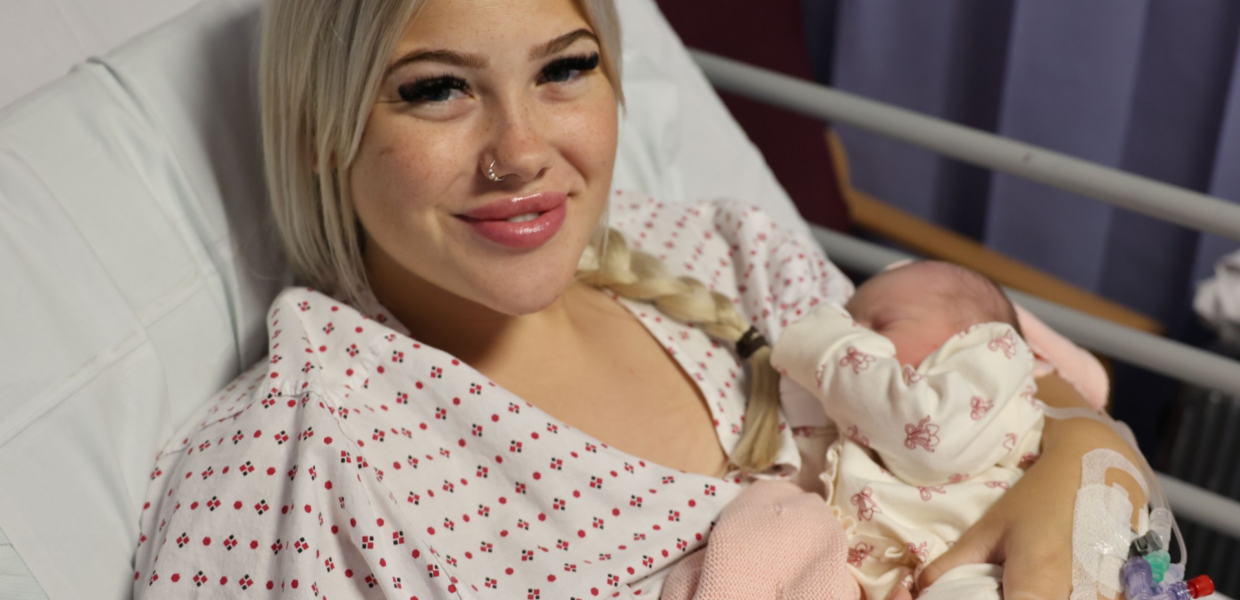
More than 1,000 families in Hull and East Yorkshire have signed up to one of the world’s leading genetic testing studies for newborn babies.
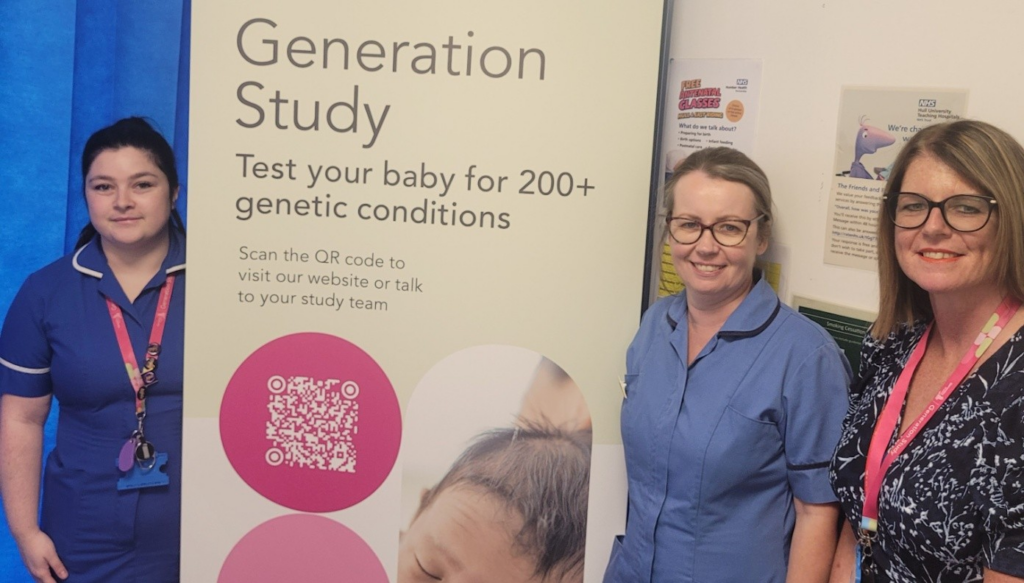
A research team based at Hull Royal Infirmary launched The Generation Study locally at the start of the year, joining more than 40 other NHS Trusts and organisations taking part in the project led by Genomics England in partnership with NHS England.
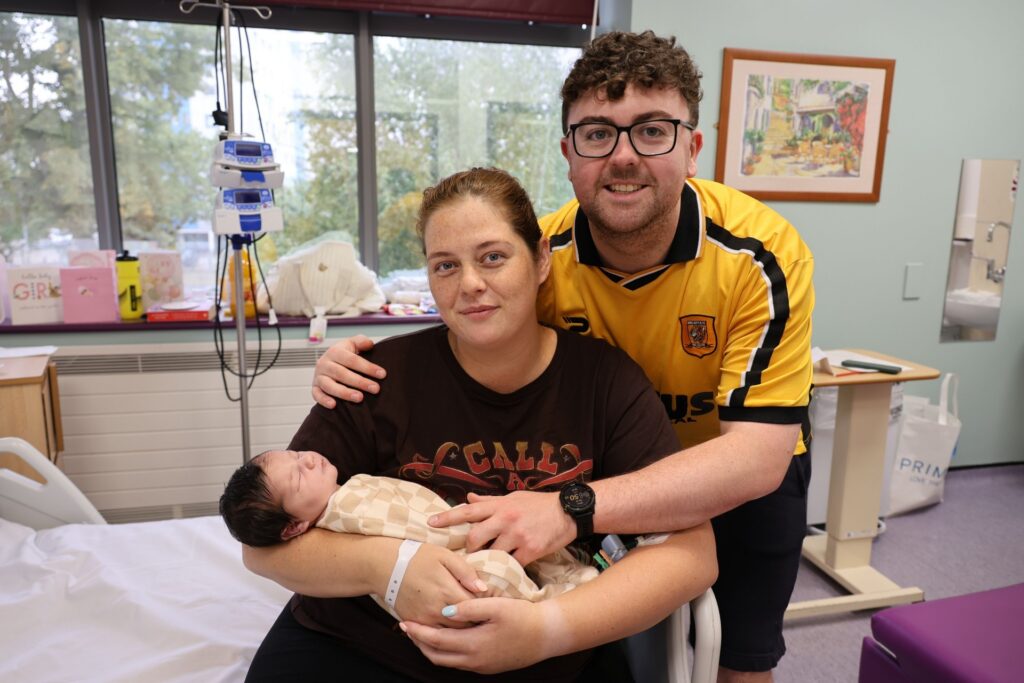
This pioneering study seeks to test newborn babies for more than 200 rare genetic conditions by offering whole genome sequencing using blood samples normally taken from the umbilical cord shortly after birth.
The aim is to identify conditions such as spinal muscular atrophy and metachromatic leukodystrophy (MLD) in babies sooner, through testing 100,000 study participants across the country.
Sarah Collins, research lead midwife based at Hull Women and Children’s Hospital says:
“We’ve had an incredible response to the Generation Study since it launched in January and we’re really pleased to have reached such a significant milestone so quickly.
“Taking part in the study is entirely voluntary but it gives local people the chance to access potentially life-changing information about their baby’s health at a very early stage. Should any issues be identified, early diagnosis, support and treatment can be crucial in slowing the progression of disease or improving quality of life.
“Without doubt, this has to be one of the most popular studies we have run to date within maternity. We had parents-to-be making enquiries before we had formally launched and our experience over the last few months suggests parents and families really appreciate the opportunity to access early testing.”
The sequencing involved in The Generation Study identifies treatable, rare conditions shortly after a baby is born rather than when symptoms might appear later in childhood. This means families can access the right support, monitoring, and treatment from the NHS much earlier for these conditions. In turn, effective early intervention can help to prevent longer term health problems associated with certain conditions, keeping children out of hospital, and helping them live healthier lives.
If a newborn baby is identified as having a treatable childhood condition through the genome sequencing, families and carers will be provided with further NHS testing to confirm a diagnosis, and ongoing support and treatment from the NHS.
Every year, thousands of children are born in the UK with a treatable rare condition with genetic testing usually taking place in the NHS Genomic Medicine Service when the child has developed symptoms – with children under the age of 5 disproportionately affected.
The existing NHS blood spot screening (the heel prick test) is used to detect 10 rare but serious health conditions in newborn babies. The Generation Study is not intended to replace this routine screening, and it is important that whatever decision parents make about participation in the Generation Study, their baby still has the blood spot test.
It is hoped that sequencing babies’ entire genomes – all of their DNA – could detect hundreds more rare, treatable diseases in their first years of life.
NHS teams will also provide families with advice on how to manage different conditions, for example for one of the conditions, osteogenesis imperfecta, parents can be advised on handling of their newborn to prevent long-term damage to their child’s bones.
The study will also support broader healthcare research to improve testing and discover more treatments and explore the potential of storing an individual genome over a person’s lifetime and using it to help predict, diagnose and treat future illnesses. For more information, visit www.generationstudy.co.uk