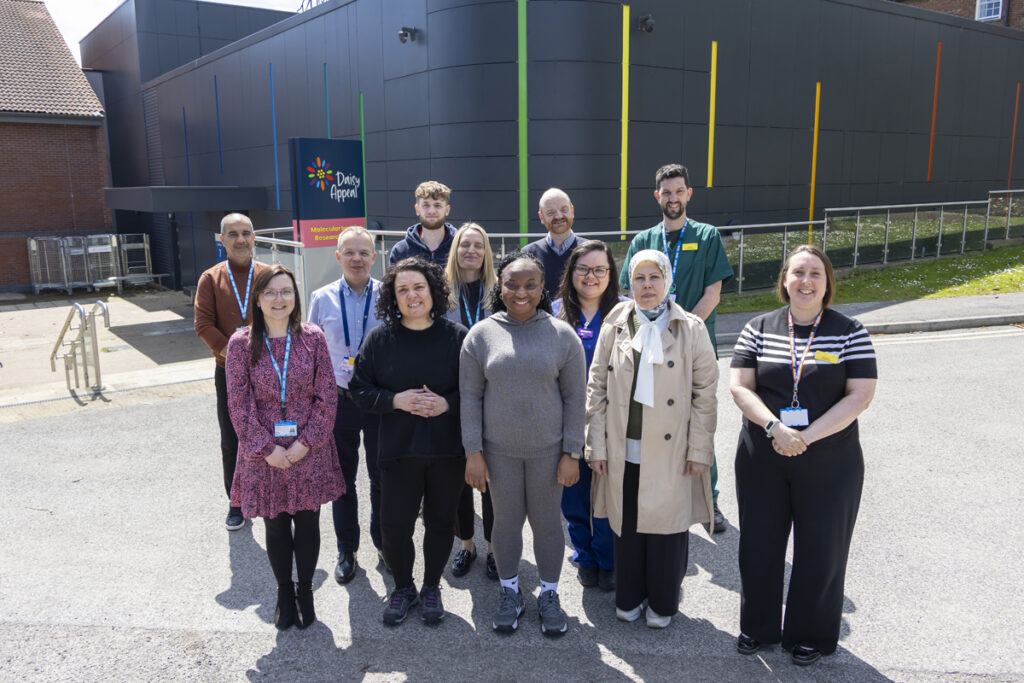
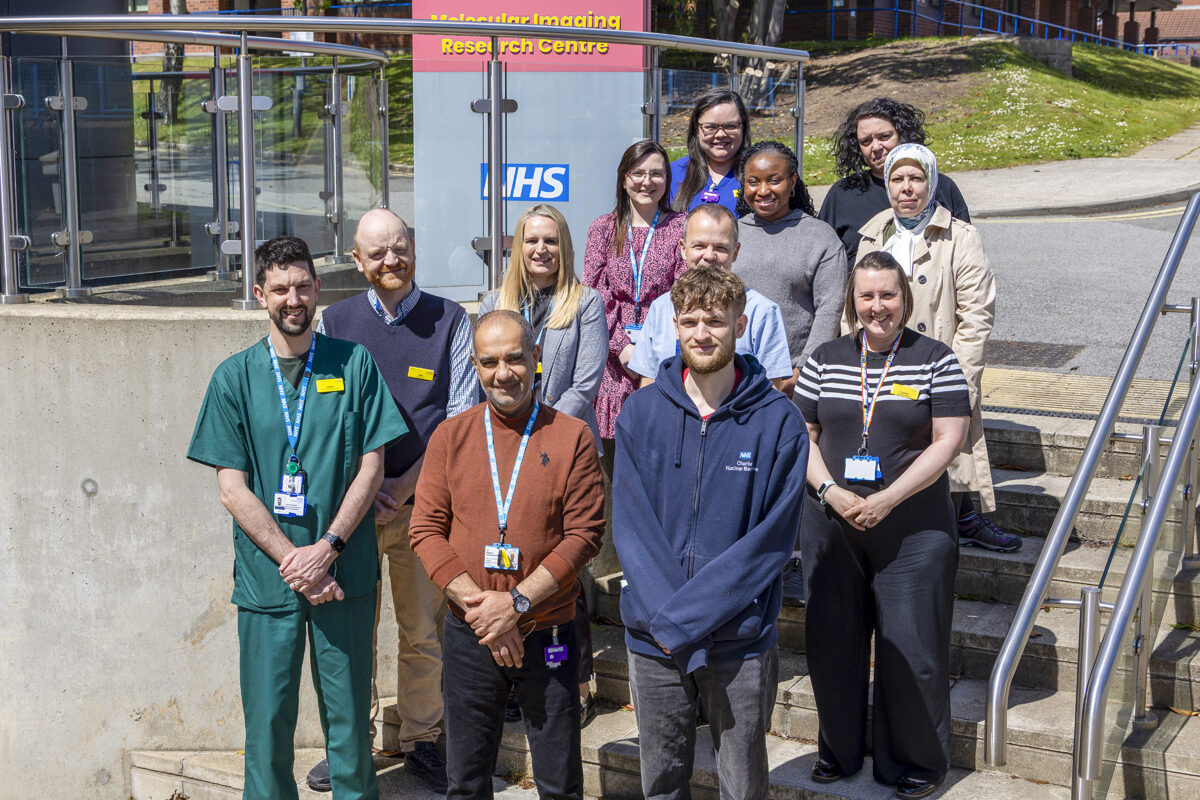
A new Radiopharmacy Suite has opened at Castle Hill Hospital to help patients undergoing tests for serious conditions including cancer and heart disease.
The new suite will support patients from all over Hull, the East Riding and Northern Lincolnshire who need Nuclear Medicine scans to confirm diagnosis, meaning they can begin their treatment far sooner.
The Pharmacy team has worked with the Physics and Imaging departments in the Nuclear Medicine Service and staff from the Molecular Imaging Research Centre to produce radiolabelled diagnostic tracers – made from pharmaceutical products containing a radioactive substance at Castle Hill instead of having them delivered from another part of Yorkshire.
The diagnostic tracers, known as radiopharmaceutical kits, are used by Nuclear Medicine technologists acquiring scans to help diagnosis of certain conditions including breast cancer, heart or kidney conditions.
James Hargraves, Group Associate Chief Pharmacist in Pharmacy Operations, said hospital staff would no longer have to rely on diagnostic kits produced by an external supplier, saving money and time and allowing more appointments to be offered to patients, reducing the length of time people were spending on waiting lists.
He said: “This significant achievement was made possible by the dedication of a team comprising colleagues from the MIRC facility, Pharmacy, and the Nuclear Medicine service.
“The team developed and implemented a training and validation plan to bring the suite into operation and are now able to prepare a limited number of kits onsite three days a week.”
Karen Bunker, Group Head of Imaging Services, said: “This really is a fantastic milestone and reflects a huge amount of effort, perseverance and collaboration across all teams.”
Radioactive diagnostic kits have had to be ordered from Sheffield Teaching Hospitals since the closure of the Radiopharmacy unit at Hull Royal Infirmary after it was declared no longer fit for purpose more than two years ago.
However, using an external firm caused delays because of the time taken to transport the products and restricted the number of patients who could receive the diagnostic tracer because of the short “half life” of certain radioactive materials used in the tests.
James said the team were concentrating on the production of four core products a day, used to help the majority of patients, with a view to offering the full range used in diagnostics in the future.
Heather Wright, Nuclear Medicine Speciality Lead, also passed on her thanks to the teams for coming together to benefit patient care.
She said: “What a massive achievement from all from Nuclear Medicine, Physics to Radiopharmacy to MIRC. It truly has been a multidisciplinary group effort and should not be underestimated.”
Dr Graham Wright, Head of Nuclear Medicine Physics, said: “The whole team has valued greatly the opportunity to enhance care for local patients by supporting the commissioning and safe use of the state‑of‑the‑art equipment now installed in the new Radiopharmacy.”