Patients with hidden, undiagnosed diseases are being identified thanks to a new screening programme offered to every adult undergoing blood tests at Emergency Departments in Hull, Scunthorpe and Grimsby.
The “Blood-Borne Virus” (BBV) testing programme has identified 89 patients with hepatitis C, hepatitis B and HIV in just six months, ensuring they get swift and effective treatment for potentially serious illnesses.
Data shows Hull has the highest rates of hepatitis C identified through Emergency Department (ED) testing in the country, with most patients likely to have caught it through intravenous drug use years, if not decades, before.
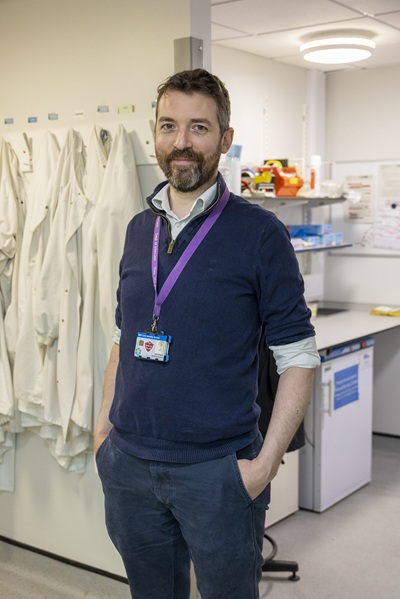
Dr Nick Easom, (pictured opposite) Consultant in Infectious Diseases, said: “We know anyone who grew up overseas or engaged in intravenous drug use and unprotected sex or has had unregulated cosmetic treatments, tattoos or medical procedures abroad can be at risk of hepatitis B, hepatitis C and HIV, even if these behaviours happened decades before.
“Yet, so many don’t realise they have these diseases because they don’t have symptoms.
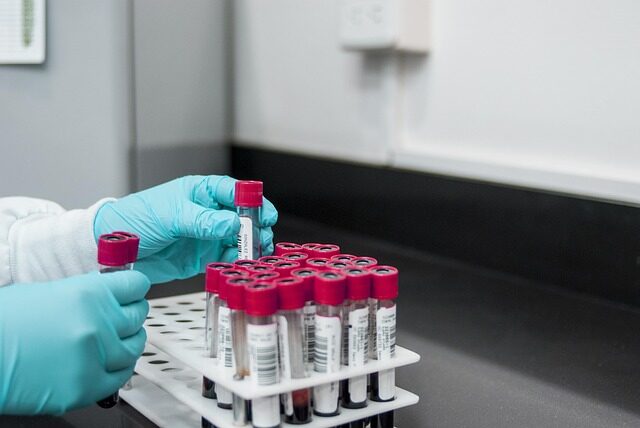
“Testing for HIV, hepatitis C and hepatitis B when we’re already taking blood when people come to our EDs is a really simple and effective way of identifying these infectious diseases in people, enabling us to not only treat them but to prevent infections spreading further among the local population.”
NHS Humber Health Partnership, which runs the three hospitals along with Castle Hill Hospital and Goole Hospital, introduced the BBV testing pilot in their EDs in October, with 41,506 patients tested.
Posters in clinical areas inform every patient over 18 that they will be screened for the three infectious diseases if they require a blood test as part of clinical investigations to uncover the reason for their attendance at ED. Patients can opt out but, so far, 70 per cent have consented to testing.
Of the 89 patients identified with potentially serious illnesses, 36 have been diagnosed with hepatitis C, 48 have hepatitis B and five have HIV. All have been referred to specialist HIV or viral hepatitis clinical teams for counselling, treatment and ongoing support.
Dr Easom said: “Once we know someone has these conditions, they can be treated with relevant drug therapy and their outcomes are generally good.
“But, if they’re not picked up and diagnosed late, their risk of serious illness and even death is much higher. The longer these conditions go undiagnosed, the harder they can be to treat.
“This new screening programme allows us to identify people with the conditions more quickly, so they can get the help they need. Diagnosis at an early stage, before symptoms appear, is always a good result.”
The three Emergency Departments, Scarborough, Hull, and York Pathology Service (SHYPS), Path Links pathology services, HIV and Viral Hepatitis clinical teams are all involved.