
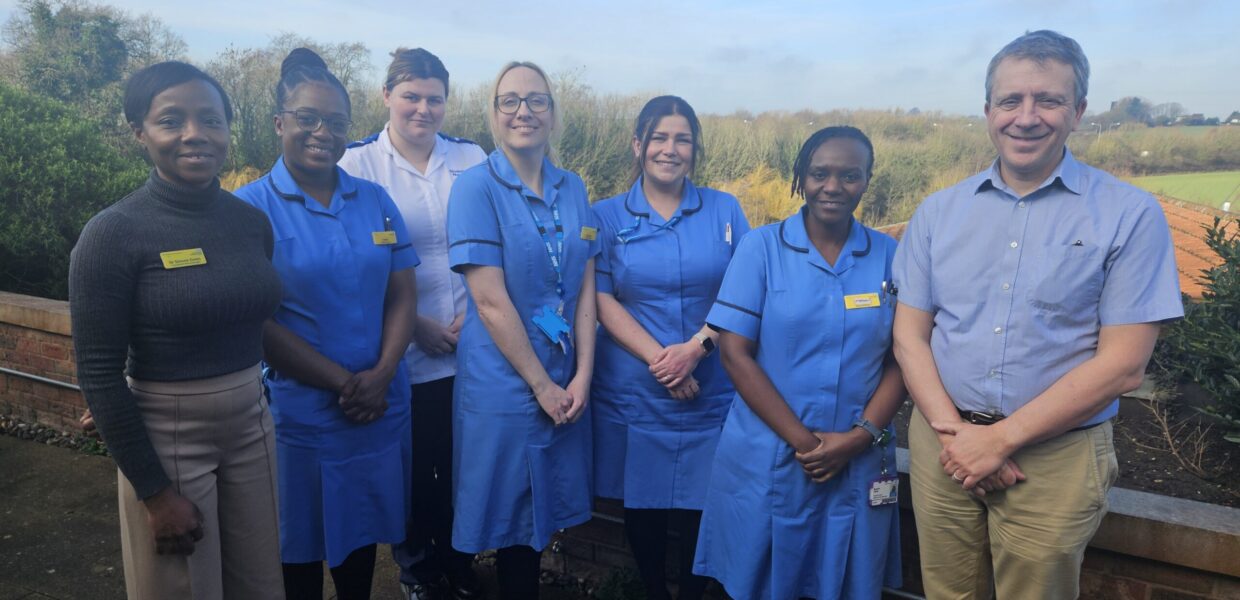
Researchers are aiming to find out more about risk factors for disease in the Black community.
The research team in The Queens Centre at Castle Hill Hospital are participating in a new project – ‘Improving Black Health Outcomes’ (IBHO) – which is led by Cambridge University.
People from ethnic minorities are under-represented in research meaning their specific health needs may not be appropriately addressed. This research aims to improve the understanding of inherited blood disorders which affect this community, but also for all health conditions people experience.
Most existing research on Black communities is based on European ancestry, meaning treatments and diagnostic tools may not work as effectively for people of African or Caribbean heritage. Increasing representation ensures more accurate data, better prevention strategies, and fair access to research and healthcare for everyone.
Professor of Haematology, David Allsup said: “Members of these communities are often under-represented in clinical trials for a variety of reasons, such as not being able to access the services or not being signposted to the research. We want to change this as participating in research is associated with better health outcomes.”
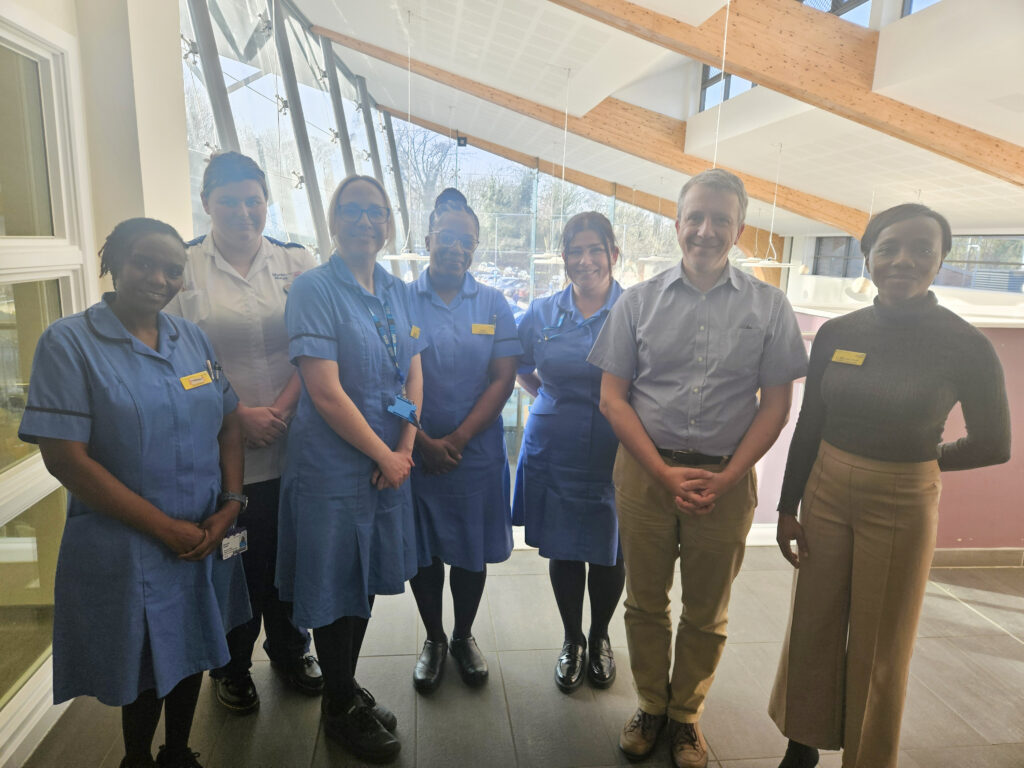
Tania Nurun, Senior Research Nurse, said: “Our aim is to deliver inclusive research, and we are pleased to be delivering a study that will contribute to and broaden existing knowledge. Clinical trial involvement offers many benefits, including early identification, effective signposting, and support with condition management, while most importantly supporting the delivery of evidence-based practice.”
Gemma Windass, Oncology and Haematology Research Nurse, said: “We often find that people don’t quite understand what’s involved in clinical research and they may have preconceptions about what it involves. For suitable patients, the IBHO study is very straightforward insofar as we take blood and saliva samples, and then we just need patients to complete a short health and lifestyle-based questionnaire. We hope members of our local black community, and anyone who’s currently living with sickle cell disease and Thalassaemia will recognise the real value of this piece of work. One size doesn’t fit all, and we want to do more to ensure these patients groups are fully represented when it comes to new and emerging treatments and our understanding of how disease affects them.”
Zowie Fussey, Oncology and Haematology Research Nurse, said: “We’re looking forward to getting started on this important piece of work. We want to make it as easy and convenient as possible for people to take part or find out more, so our patients will start to see us around the Queen’s Centre a little more often explaining the study while people are already here. Once we’re underway, we’ll also be going out into the community where we can explain the study and its benefits in non-hospital surroundings, and where people may feel more comfortable asking questions. It’s really about demystifying what research means; increasing confidence in our intentions, what the study aims to achieve, how we to plan to do this and explaining how taking part now can help improve treatments for generations to come.”
The study is open to anyone aged 16 and over from Black ethnic backgrounds to participate, whether they have a health condition or not. Anyone with a confirmed diagnosis of Sickle Cell or Thalassaemia can join, regardless of ethnic background. Children aged 15 and under with a confirmed diagnosis of Sickle Cell can also take part.
If you decide to join, you will need to donate a blood or saliva sample, and be asked to complete a health and lifestyle questionnaire. You’ll also need to fill out a consent form that describes how your data and samples will be used, and allows the IBHO to match you to specific research studies. If you believe you are eligible and would like to take part, or have any questions, please email [email protected] or visit the IBGO website for more information.